Pilgrimage · 6 min read
Best Time to Visit Muktinath from Kathmandu and Damak
Plan a Muktinath pilgrimage with realistic travel buffers, branch connections, and a thoughtful group itinerary.
By Yatra Editorial Team ·
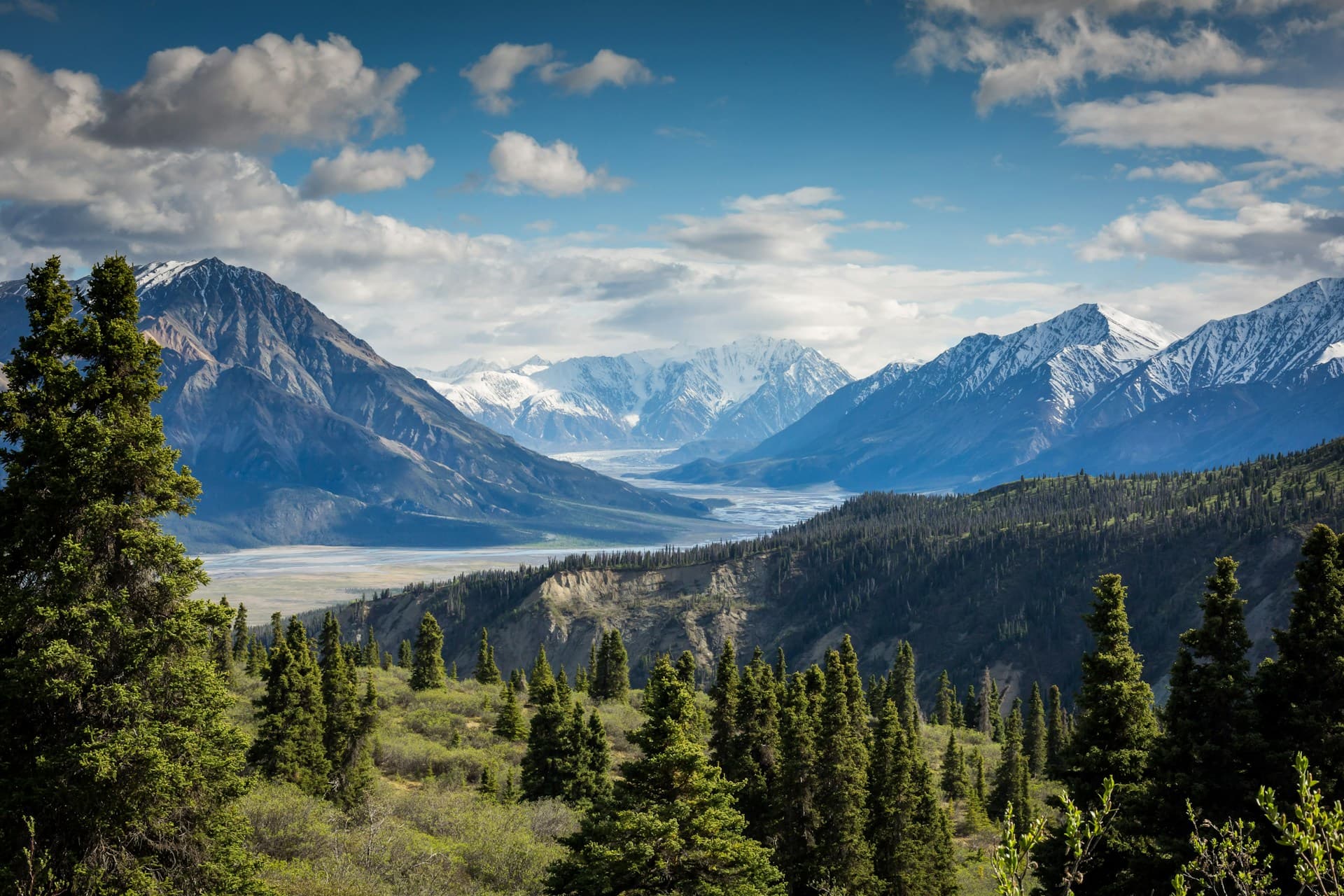
A pilgrimage to Muktinath begins well before the temple visit. The best plan gives your group time for the road, the weather, and the people traveling with you. Whether you meet our team in Kathmandu or Damak, start with a flexible route rather than an unchangeable arrival promise.
This is a sample planning guide. Dates, access, transport, and hotel arrangements need confirmation for your departure.
Choosing a travel window
Spring and autumn are common starting points when discussing a Mustang journey. They are not a guarantee of clear skies or open roads. Rain, snow, road works, and local conditions can affect an itinerary in any month.
Instead of choosing a date from a photograph, tell your coordinator what matters most: a particular religious occasion, a school holiday, a smaller group, or time for a slower journey. Ask the team to check current road access and accommodation before you commit.
Kathmandu and Damak departures
Kathmandu groups can discuss a meeting point and an onward route through Pokhara. Damak groups have a longer approach and should allow for a connection day or an additional overnight stop. A six-day headline itinerary does not mean every branch departure has the same door-to-door duration.
Confirm these details in writing:
- Your exact pickup hub and reporting time.
- Whether the first and last travel days include the branch connection.
- Which overnight stops are included in the quote.
- Who will explain changes if the road or weather interrupts the plan.
Choosing the right vehicle
A group bus and a private jeep solve different travel needs. The final vehicle plan must match the road sections, luggage, passenger count, and current access. A bus transfer followed by smaller vehicles may be more suitable than using one vehicle for every section.
Seat capacity is a firm limit. If a group exceeds one vehicle’s approved passenger seats, request additional vehicles or a suitable alternative. Never build the budget around standing passengers.
Rooms, meals, and the group budget
Give the coordinator a rooming list before asking for a final price. Include family groups, sharing preferences, staff members, and meal requirements. Ask which meals, permits, local transfers, and entry charges are included instead of assuming they sit inside a single advertised number.
For large groups traveling at busy times, availability must be checked before rooms are promised. Any deposit, hold expiry, cancellation conditions, and balance deadline should appear in the approved quote.
Preparing for a mountain pilgrimage
Discuss walking requirements and the demands of the route with your group before booking. Travelers with individual health or accessibility needs should seek appropriate professional advice and explain practical requirements to the coordinator. Do not treat a short itinerary as proof that every traveler can comfortably complete it.
Keep essential documents, personal items, and a change of plans accessible during the journey. Confirm baggage limits for any smaller vehicle transfers.
Start with a conversation
Our Muktinath and Jomsom sample itinerary gives you a starting structure. For a route that fits your departure branch, group, and dates, request a quote. A careful plan leaves space for the journey itself.
Turn inspiration into a journey.
Explore sample itineraries or speak with our Kathmandu and Damak team about a plan for your group.